


What does electrification mean? How Australians are saving on their energy bills
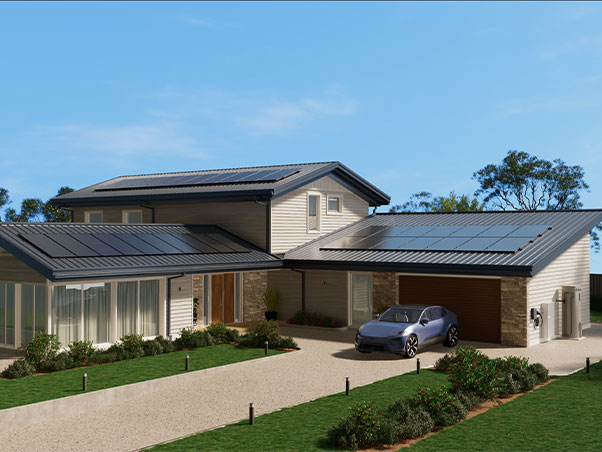
What is Electrification and how is it changing lives?
As energy prices continue to soar and climate concerns grow, Australians are turning to a solution for cleaner living and lower bills: electrification. Electrification is the shift away from technologies that use fossil fuels (like petrol, diesel, or gas) to those that run on electricity. It is a change in how we power various aspects of daily life, including heating, cooking, and transportation.
In this article, we’ll unpack why electrification is growing, and how it’s helping everyday Aussies take control of their energy future.
Why is Electrification Growing in Australia?
In Australia, electrification is gaining momentum due to three key factors:
- Environmental benefits: Electric-powered solutions help Australians reduce their carbon emissions.
- Government incentives: The Australian Government has launched initiatives to make electric-powered appliances more affordable, including the National Electric (EV) Strategy.
- Counter high cost of living: Australian households are embracing efficient electric appliances and vehicles to reduce their energy bills.

What Electrification looks like for Australians
From swapping out gas appliances to embracing solar power and battery storage, households are discovering that going electric isn’t just good for the planet, it’s great for your pocket too.
Australians are embracing electrification in four ways:
- Hot water: Replacing gas water heaters with heat pump, solar hot water or smart electric systems.
- Cooking: Installing induction cooktops and electric ovens instead of gas.
- Comfort: Shifting from gas heaters to reverse-cycle air conditioning for heating and cooling.
- Transportation: Replacing petrol or diesel-powered vehicles with electric vehicles (EVs).
These electric appliances are typically more efficient than their gas counterparts. They use less energy and cost less to run, helping Australians save on their bills.

Generate Clean Electricity with Solar Power
An all-electric home starts with clean energy. Solar panels are no longer just a nice-to-have; they’re the cornerstone of an electrified home. Australia is leading the world in rooftop solar adoption, with over 4.1 million solar systems installed nationwide.
According to Amanda McKenzie, CEO of Climate Council, homes with solar are enjoying significant savings and cutting down on fossil fuels. “On average, homes with rooftop solar save $1,500 per year on energy bills,” she said.
“Less gas in our homes means less harmful climate pollution endangering our families and the places we love and putting our kids’ futures at risk. Initiatives like this are a significant step on Australia’s path beyond polluting gas and helps turbocharge our switch to clean energy.”
With generous government incentives and falling installation costs, solar power is helping households take the first step toward energy independence while slashing their electricity bills.

Get Smart with Battery Storage
Around 70% of household energy is used from late afternoon to night when solar panels aren't generating power. If you have solar, adding a battery allows you to store unused energy to use when the sun isn’t shining, including in a blackout or at night.
There’s never been a better time than now to install a battery. The Australian Government’s Cheaper Home Batteries Program offers eligible households up to 30% off the upfront cost of a battery system.
Solahart customer Kurt from Victoria reduced his energy bills by 50% and gained blackout protection after installing a battery. “Where we live, we have a lot of blackouts. With the rising cost of power, we thought solar and battery storage was the most sensible way to reduce our electricity bills,” he said.
“The energy savings that Solahart estimated we would make was half, about 50%. We’re definitely hitting that, more so with the battery now.”
READ MORE: 6 things to consider before installing a solar battery

Reduce your Water Heating Energy Consumption
Hot water is one of the biggest energy users in Australian homes, and they’re also one of the easiest to electrify. By switching to a solar-powered or heat pump hot water system, households can reduce their energy consumption. Heat pumps, for example, can help you save up to 73%1 on your hot water energy use when replacing a similar sized, traditional electric water heater, making it a smart upgrade.

Be prepared for an Electric Vehicle (EV) with renewable energy
EVs are fast becoming a central part of Australia’s electrification journey. Australians are making the switch to counter higher petrol prices and make a positive contribution to the environment.
Installing a home EV charger is convenient but consider pairing it with solar and battery storage to charge your vehicle using renewable energy and reduce electricity costs. Also, you can take advantage of off-peak rates if you intend to charge your EV at night. To learn more, contact Solahart today
Ready to Electrify Your Home?
Whether you’re starting with solar panels, adding battery storage, upgrading your hot water system, or installing an EV charger, every step brings you closer to energy independence.
At Solahart, we’re here to help Australians make the switch with trusted products, expert advice, and tailored solutions. Contact us today to learn how you can electrify your home and start saving.
Disclaimers:
- Energy savings of up to 73% are based on Australian Government approved TRNSYS simulation modelling using a medium load in Zone 3 and apply when replacing an electric water heater of similar size with a Solahart Atmos Frost 270QDR or 270HAV Heat Pump water heater. Any savings will vary depending upon your location, type of water heater being replaced, hot water consumption and fuel tariff. Before installation - seek advice as to suitability to household usage and tariffs. The impact on an electricity account will depend on the tariff arrangement of the water heater being replaced and where you live. The water heater is recommended for connection to an uninterrupted 24 hour continuous tariff power supply. Depending upon the size of the household and its hot water requirements and if the Electricity Retailer permits, an extended off-peak (overnight and day) or Extended time controlled power supply connection of a minimum 16 hours per day may also be suitable. Before purchase consult your energy provider for more information on cost comparisons.
